Nature
 PUBLISHED


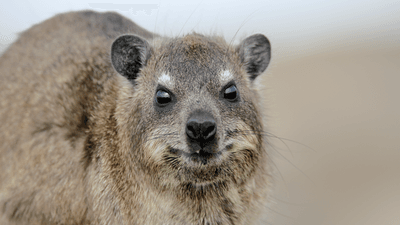


Do you ever stop and think about how wonderful it is that it’s so easy for you to scratch your butt? No? Well, perhaps a first-of-its-kind fossil can inspire you to practice a little more gratitude, as it reveals the butt-drag of a rock hyrax committed to the fossil record 126,000 years ago.
The rest of this article is behind a paywall. Please sign in or subscribe to access the full content.Rock hyraxes are remarkable creatures, famous for eating tomatoes like Denethor, being most closely related to elephants, and just generally being weird little guys. In southern Africa, they’re known as “dassies” and they like to chill out on rocky outcrops, occasionally pooping and peeing. The good life.
They also have a penchant for dragging their butts along the ground, sort of like you sometimes see dogs do if they’ve got worms. Nobody’s exactly sure why rock hyraxes like to do it, but we do know they’ve been doing it for a long time.
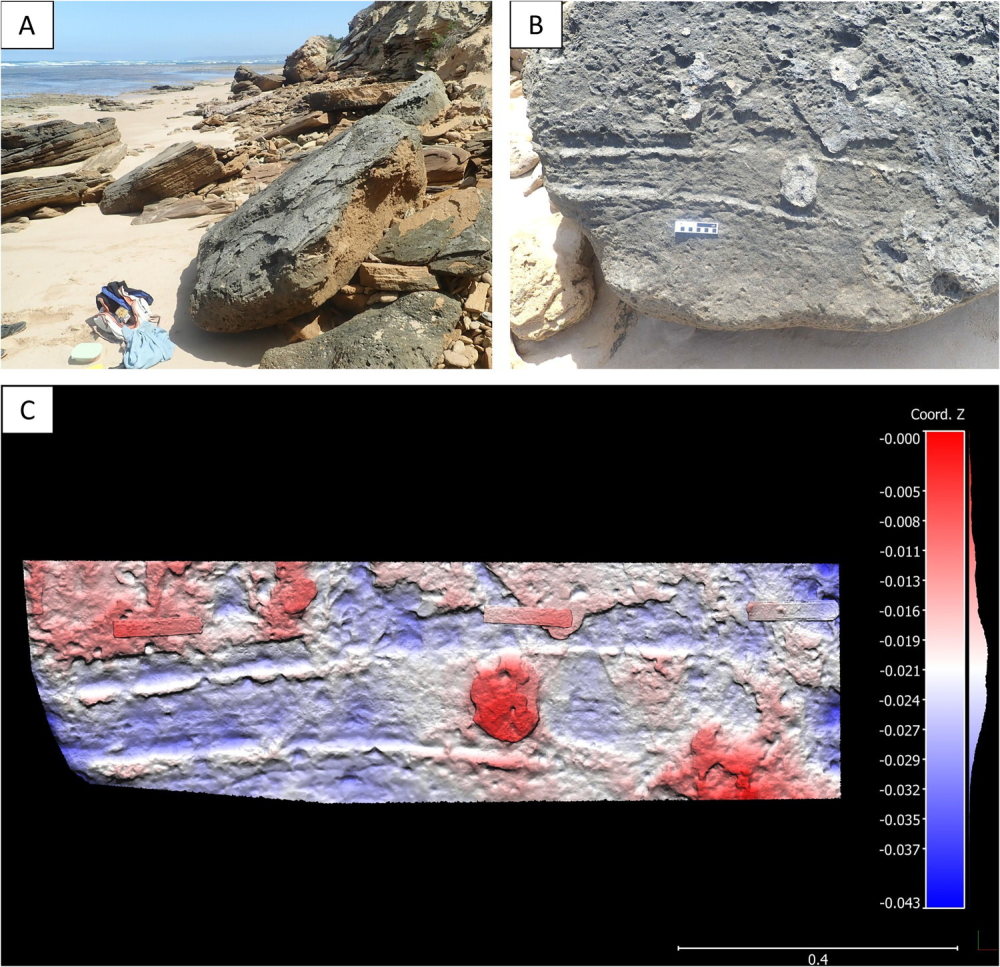
That understanding has been solidified in a one-of-a-kind fossil that’s thought to be the first-ever remains of a 126,000-year-old butt drag. It was identified by a team with the African Centre for Coastal Palaeoscience, who have been scanning the Cape south coast in search of ancient tracks and traces.
Finding fossilized tracks like these falls under the field of ichnology, something we’ve been able to use to get a better understanding of animal behavior by looking at the weird marks they left on the ground as they were doing it. It’s helped us to get a better understanding of everything from dinosaur sex to millipede sex, but it’s not all about sex. Oh no, sometimes it’s just a simple butt drag.
“The butt-drag impression is the first fossil of its kind to be described from anywhere in the world,” wrote Charles Helm and Lynne Quick, who were both involved in the project and are based at Nelson Mandela University, for The Conversation. “In addition, these are the only possible fossilised hyrax tracks ever to be identified. In the world of palaeontology, anything this unusual is important and we feel privileged to be able to interpret them.”
The drag was a solid one, leaving behind a 95 by 13 centimeter-wide (37.4 by 4.7 inch) impression that contains five parallel striations and a raised feature, which could be explained by the movement of hyrax buttocks across loose sand. Getting a good look at it involved using a technique known as optically stimulated luminescence, which is able to identify when sand was last exposed to light and reveal ancient animals’ movements.
“We considered possible causes other than hyrax buttocks,” wrote Helm and Quick. “These included a leopard or an ancestral human dragging prey, or perhaps an elephant dragging its trunk. Firstly, however, these would be expected to leave tracks, and secondly in such interpretations the raised feature could not be explained.”
One satisfying butt drag for a Late Pleistocene rock hyrax. A great day for science.
The study is published in the journal Ichnos.