Nature
 PUBLISHED




If you want to turn a patch of barren land into a lush forest, but space and time are of the essence, then the “Miyawaki method” is worth pondering.
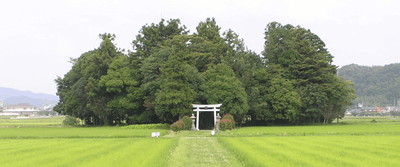
The rest of this article is behind a paywall. Please sign in or subscribe to access the full content.The method was developed in the 1970s by Japanese botanist Akira Miyawaki, who drew inspiration from the ancient forests surrounding Shinto shrines in his homeland.
His ideas landed perfectly with the growing environmentalism of post-war Japan, and soon attracted the interest of big business and industry, who were eager to make amends for the pollution and environmental degradation they had caused. Before long, the Miyawaki method had shot to global prominence.
What is a Miyawaki forest?
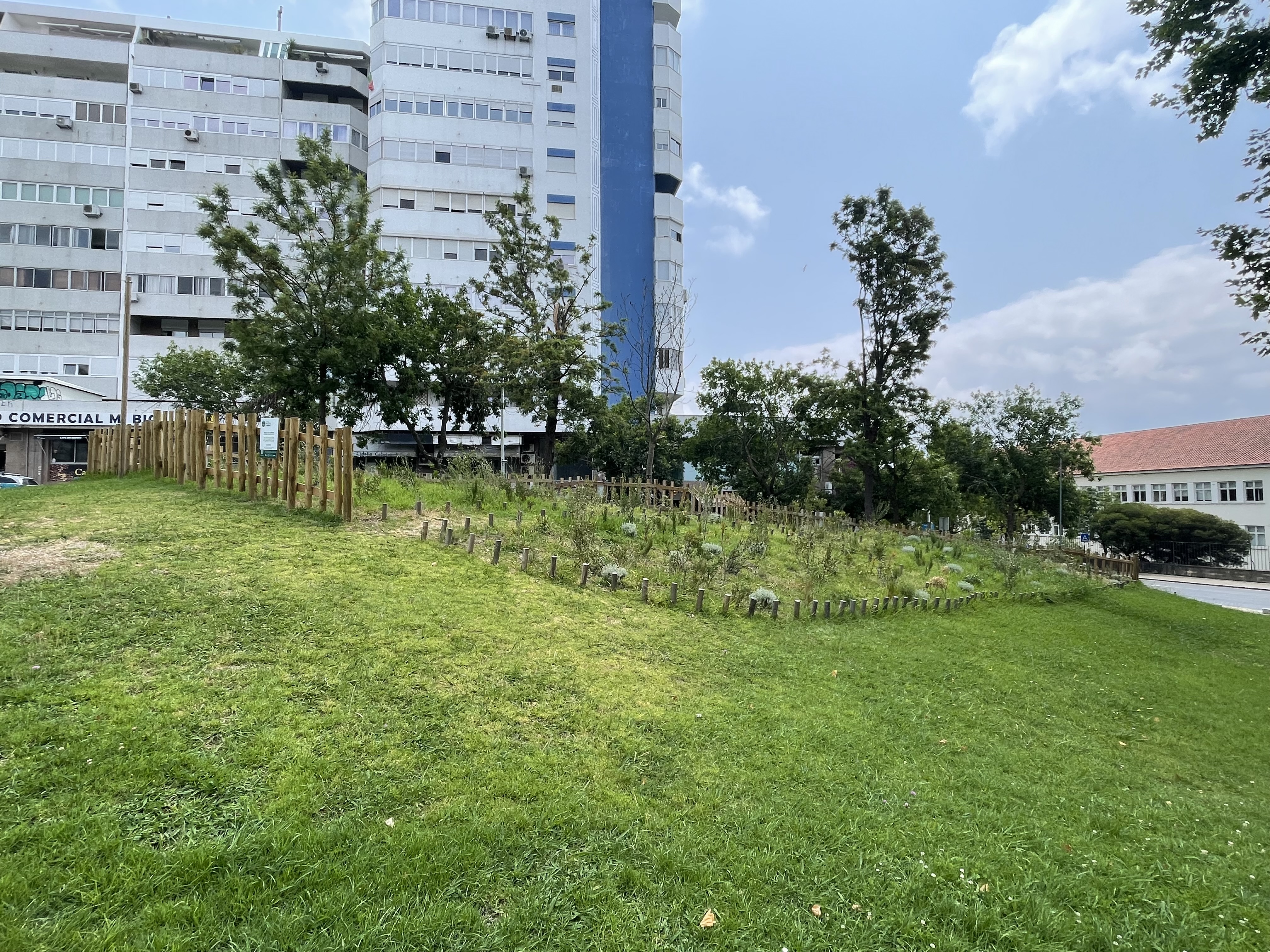
Also known as pocket forests, Miyawaki forests are created by densely planting a diverse mix of native trees and plant species in a small area, with three to five plants packed into every square meter.
The central idea is that by cramming young saplings together, they are forced to compete for water, nutrients, and light, encouraging them to grow far more rapidly than they ever would in conventional plantings.
Locality is also a big theme. By carefully selecting plants that are native to the region and naturally grow together, the micro-ecosystem is harmonious, underpinned by countless complex interactions that are not immediately obvious to even the best botanists.
How does the Miyawaki method work?
The technique unfolds in several stages. First, it calls for local soils and organic material sourced from nearby forests. This is said to introduce natural fungal networks and bacteria that help plant roots absorb water and nutrients in exchange for sugars. Things like dry cow dung, goat droppings, and rice husks can also be added into the mix to help with water retention.
Next, multiple species of native tree saplings, shrubs, and bushes are planted in extremely close proximity. During the initial establishment phase, the plot should be regularly watered and monitored. Weeds can be pulled, but rather than being tossed away, they should be left on the soil surface to act as mulch.
After around three years, gardeners are recommended to step back entirely and stop tending the micro-forest – "no management is the best management," as Miyawaki himself said. Nature is left to do its thing.
All being well, this should create a booming, beautiful patch of forest within 20 to 30 years, speedier than a Japanese bullet train.
Miyawaki forests have been sprouted across the world beyond Japan, from the US and the UK to Jordan and India, primarily as a means to add greenery to urban spaces and repair struggling ecosystems. However, Miyawaki himself thought his method had much loftier potential to heal the planet and help humanity to blossom.
“I believe that there is so much more to planting a tree than just a scientific investigation to take stock of the present conditions – it is the act of planting a tree in the hearts of every individual. The forest is the root of all life; it is the womb that revives our biological instincts, that deepens our intelligence and increases our sensitivity as human beings,” Miyawaki wrote in a 2006 lecture titled "Aiming for the Restoration of a Green Global Environment".
"I believe that creating indigenous and real forests, and covering as much of the land as possible with forests, is the most certain and effective measure to reduce carbon dioxide," he added in the essay "A Call to Plant Trees".
The science of the Miyawaki method
It’s sometimes claimed that the Miyawaki method can create a healthy forest around 10 times as fast as other reforestation techniques. You might also hear stuff about how the resulting pocket forests are far more efficient at sequestering carbon from the atmosphere, plus they harbor much more biodiversity than a typical woodland of the same size.
However, some biologists have pushed back against these bold assertions. A study published in the Journal of Applied Ecology argued that much of the research on the Miyawaki method was low-quality and limp. They reviewed over 50 "scientific" documents about the Miyawaki method and found that only 41 percent actually included measurable data or numerical results. And among that select few, only 33 percent compared their results to a proper control group and just 14 percent repeated the experiments to confirm the results.
It all sounds very pleasant and well-meaning, the paper suggests, but there’s very little empirical evidence to back up the many claims made about the method.
Others have criticized the method for being co-opted by greenwashers keen to hit corporate social responsibility targets and flash their environmental credentials with a feel-good planting story.
With all that said, the Miyawaki method has some positive elements that are hard to deny: plant more trees, keep it local, involve the community, and respect nature. Some of those grander claims need a healthy dollop of scepticism, but at their core, the ideas of Miyawaki have some substance that deserves nurturing.