Nature
 PUBLISHED


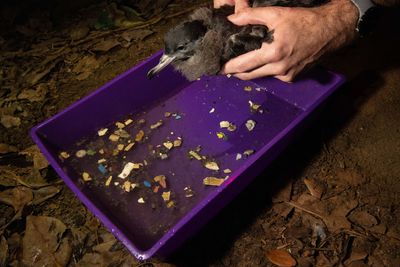


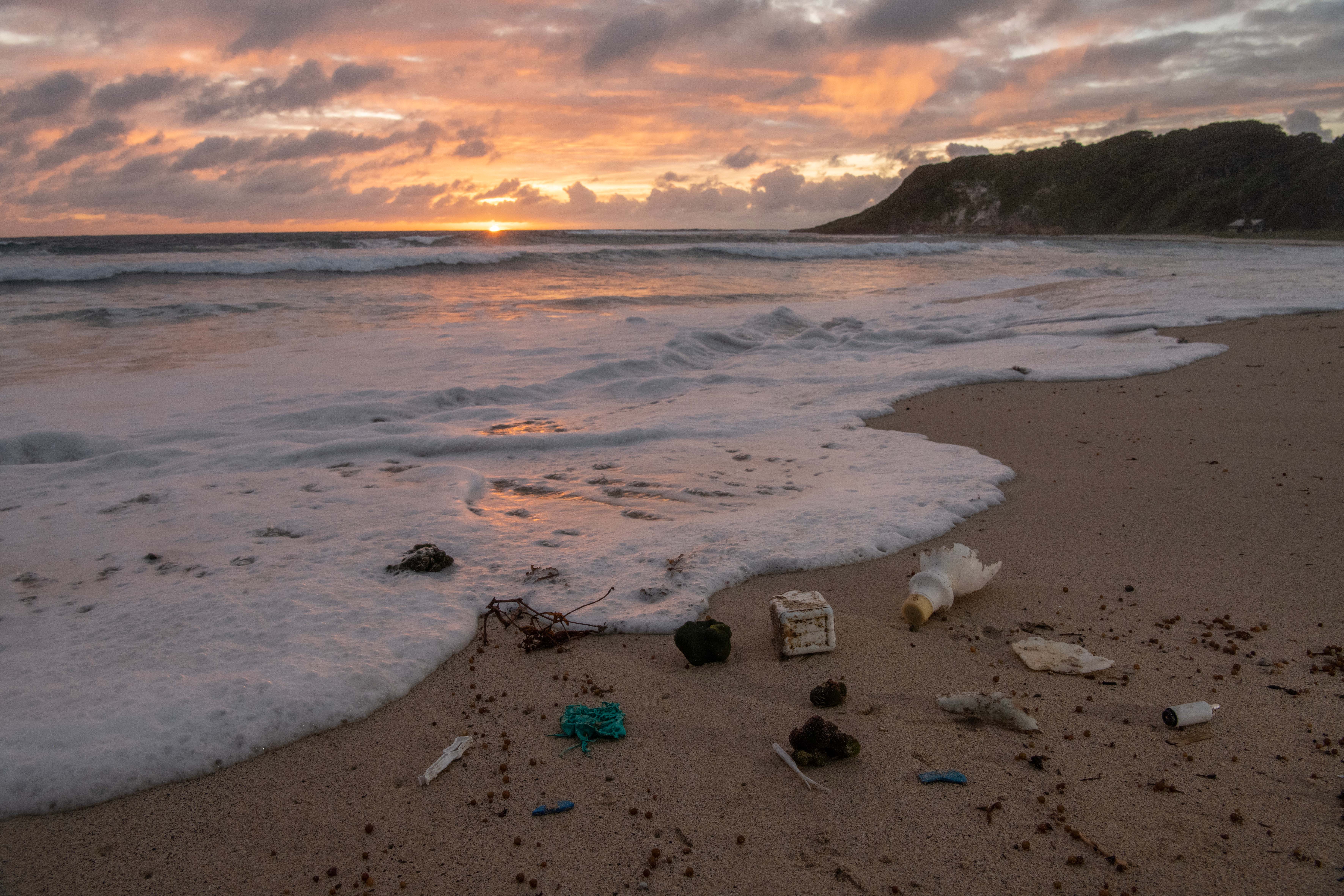
New research has found that some seabird chicks in the southern Pacific Ocean are consuming an astonishing quantity of plastic – equivalent to an adult human eating about 12 kilograms (26 pounds). Unfortunately, it is also showing that this problem is getting worse by the year.
The scientists found that while the prevalence of plastic within the birds remained relatively stable over the last 16 years, the raw amount of plastic being consumed by these seabirds has rapidly increased.
“In 2012, we found a sable shearwater with 276 pieces of plastic in it,” explained Dr Alex Bond, Principal Curator of Birds at the Natural History Museum, London, in a statement.
“We thought this was the worst-case scenario, as a fledgling of that size couldn’t survive eating any more. We were wrong.”
“From 2023 to 2026, the record for the most plastic ingested by these birds has been broken year after year. The plastic crisis is only getting worse, but we’re acting nowhere near fast enough to try and tackle it.”
A diet of plastic
Bond and his colleagues at the Adrift Lab have been monitoring the amount of plastic being ingested by sable shearwaters nesting on Lord Howe Island, off the eastern coast of Australia, since 2007.
By bringing together a team of ecologists, ecotoxologists, and statisticians, amongst others, they have been able to collect the longest-running time series of plastic ingestion in any seabird species anywhere in the world.
This latest study collates 16 years’ worth of that data to show how the trend in plastic ingestion is occurring over time. And it’s not looking good.
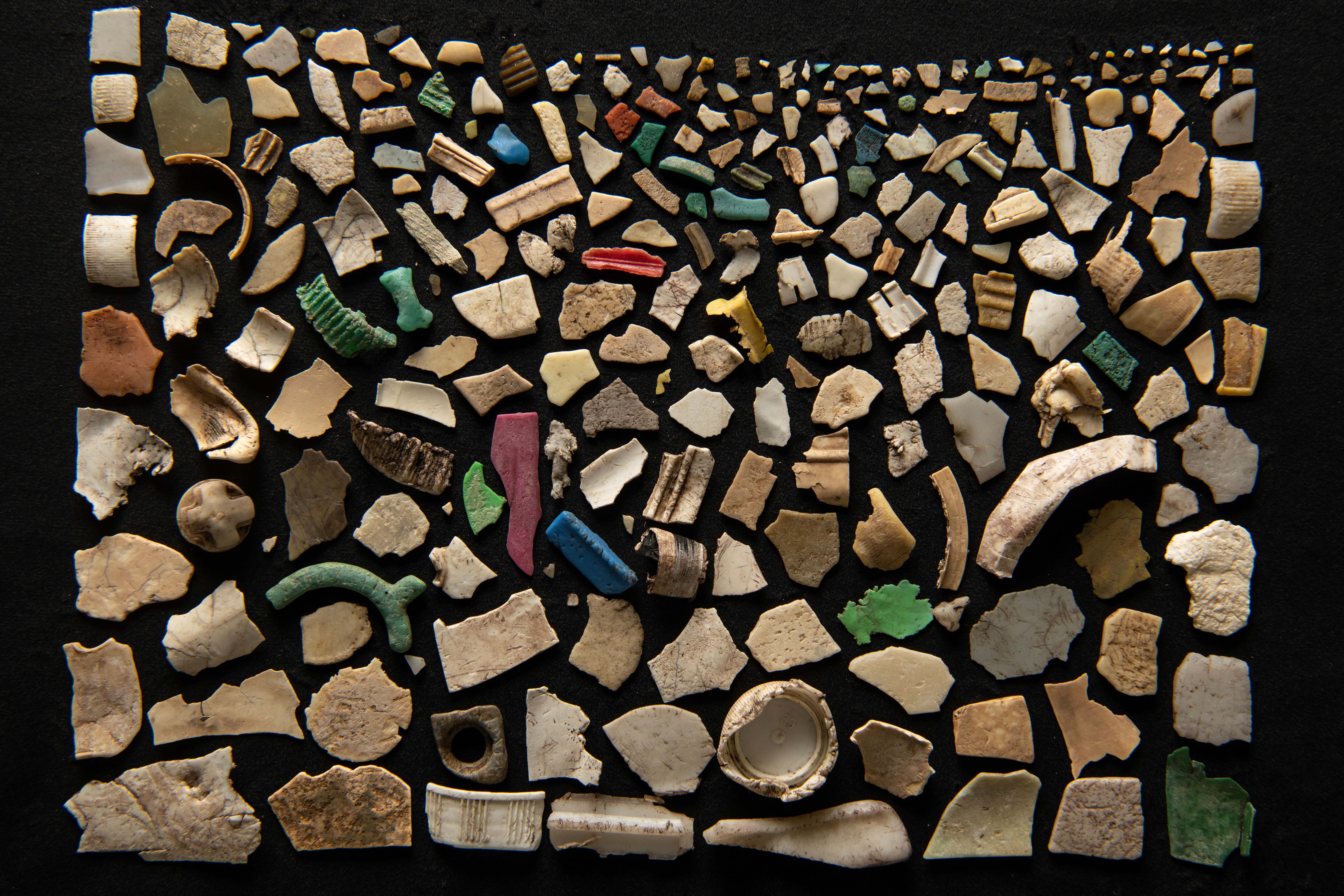
While for the first 10 years the mass and number of pieces of plastic found in the bellies of shearwater chicks fluctuated, in recent years there has been a dramatic uptick.
This culminated in 2025 when a chick was found containing 894 bits of plastic weighing a total of 64.2 grams (2.3 ounces), and in 2026 when one was found with 644 pieces that weighed a shocking 67.4 grams (2.4 ounces). This represents about 15 percent of the shearwater's expected body weight at this age.
But the researchers are not only looking at the volume of plastic being fed to shearwater chicks by their parents. They’re also trying to figure out how exactly this plastic is impacting the birds themselves.
In 2023, this led the team to describe an entirely new disease they termed plasticosis. This is caused by ingested plastic repeatedly damaging the tissue of the digestive tract, leading to the formation of permanent scarring and impairing the function of the tissue.
The long-term impact of all this is hard to establish. But again, Bond and his colleagues are trying to figure this out. In a previous study, they estimated that a chick being fed just 0.5 grams (0.02 ounces) of plastic reduced their chance of returning to Lord Howe to breed by roughly 12 percent.
Any chicks found with over 2 grams (0.07 ounces) of plastic in their bellies are described by the researchers as “the walking dead”.
The argument for long-term monitoring
The paper also highlights the importance of long-term monitoring studies for wildlife.
The researchers point out that if their study had only been for three years, they could have completely missed the overall trend by pure accident, potentially even concluding that the level of plastic ingestion is declining.
This is a major issue, as studies of these sorts of durations are increasingly rare and difficult to fund.
“Overall, as the study window increases, a more complete picture becomes apparent: a combination of 'good' and 'bad' years for the birds, variable patterns in 'problematic' items such as lids, and an accelerating trend in the quantity of plastics ingested by fledglings, particularly in the last 5 years,” they write.
The study is published in the journal Earth's Future.