Nature
 PUBLISHED


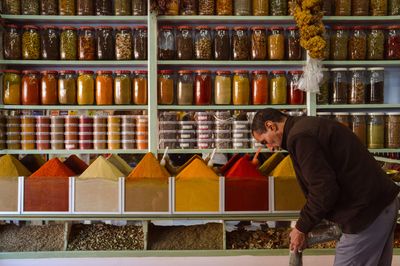


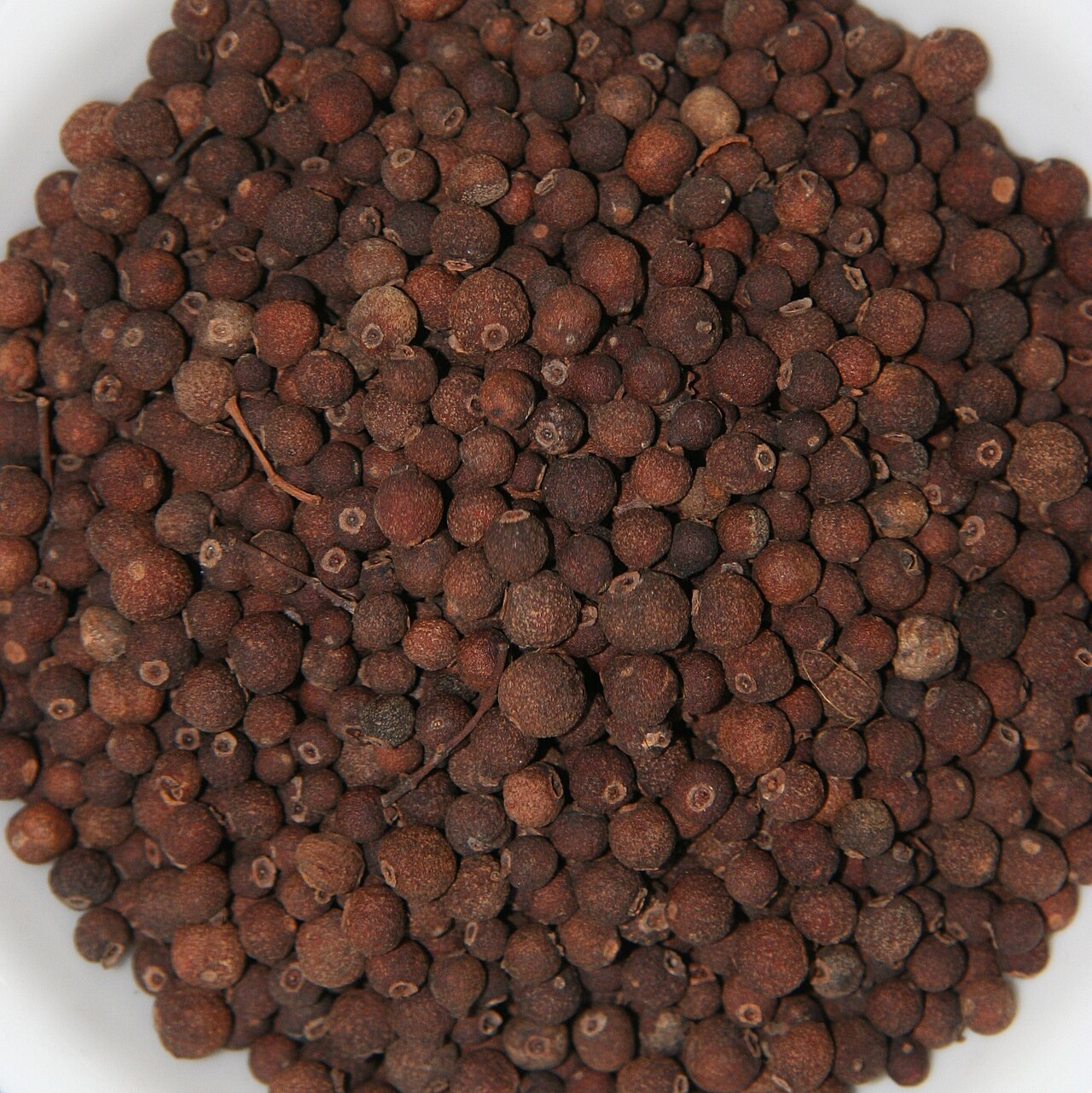
If you take a look at search engine analytics, you’ll see that thousands of people each year are asking Google what allspice actually is and what it’s made of. To the surprise of many, it’s not actually a blend of numerous different aromatics and spices, but a berry.
The rest of this article is behind a paywall. Please sign in or subscribe to access the full content.Allspice is simply the dried unripe berries of Pimenta dioica, a tree native to Central America and the Caribbean, which is commonly ground up and sold as a fine powder.
The spice is perhaps most intimately associated with Mexican and Caribbean cuisine. It's a foundational flavor in Jamaica's ferociously delicious jerk seasoning, for instance, and often turns up throughout the cooking of the broader region.
But while native to the Americas, allspice has found its way into kitchens around the world, from Swedish meatballs and Portuguese stews to mulled wine.
Allspice and world history
Allspice has been enjoyed in the Americas for centuries, perhaps millennia. The Indigenous Maya used it to flavor chocolate drinks, while Indigenous Caribbean people burned the plant's leaves and wood to smoke meat.
Spanish conquistadors encountered it in the so-called "New World" and brought it back to Europe, where it became a sensation and a status symbol. The British Empire moved swiftly to monopolize the trade through colonial Jamaica, cementing the island as the world's primary source of the spice, a title it still holds today.
Despite Europe's enthusiasm for the berry, most attempts to grow allspice outside the Americas fell flat. The trees stubbornly refused to fruit when transplanted elsewhere, keeping production tied to the Caribbean and Central America.
Medicinal properties of allspice
Allspice contains eugenol, the same chemical found in cloves and cinnamon, which has demonstrated anti-inflammatory, antioxidant, and mild analgesic properties. It's also shown antimicrobial qualities in lab settings. Could this explain why it's historically been used to preserve meat in warm climates?
Allspice goes by many names
The spice has a few different aliases, including Jamaica pepper, myrtle pepper, or pimento, which is the Portuguese word for "pepper". In Polish, allspice is called ziele angielskie, meaning “English spice," most likely because of its ties to the British Empire.
The word allspice is thought to have been developed by early European colonizers arriving in the Americas, who revered the spice for combining the flavors of cinnamon, nutmeg, clove, and black pepper - some of their favorite flavors from the "Old World".
Handily, if you ever find yourself in desperate need of allspice, a combination of those four spices makes a reasonable substitute.
Wait, what's paprika?
In other “how did people not know that?” news, it was recently exposed that many people on the internet don’t know what paprika is made out of. That’s right, there isn’t a paprika bush that's responsible for spicing up your goulash.
An earlier version of this story was published in March 2023.