Culture and Society
 PUBLISHED



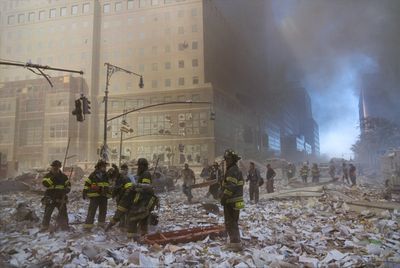


More than two decades after the World Trade Center was destroyed on September 11, 2001, the children of emergency responders are still experiencing mental health effects. A new study into the repercussions of this traumatic event has shown that it has affected the next generation through what is called Intergenerational Transmission of Trauma (ITT).
The rest of this article is behind a paywall. Please sign in or subscribe to access the full content.ITT is not a new phenomenon; it has been well documented in the descendants of Holocaust survivors and war veterans. In essence, it is the ability for traumatic events to extend their influence beyond one lifetime and to affect subsequent generations in sometimes unexpected ways. These traumatic influences can be transmitted to children directly through their parents' behavior or specific parental styles.
They can also be passed on biologically. For instance, when someone experiences severe trauma or chronic stress, their bodies release cortisol (a stress hormone), which can chemically mark some genes that are passed onto their children. When this happens, the children can be biologically and physiologically more likely to experience stress or anxiety.
Despite having researched ITT in various contexts, there has been little attention paid to its impacts on the children of first responders to traumatic events. In particular, there has been limited analysis of those involved in the aftermath of the terrorist attacks on the World Trade Center on 9/11 2001.
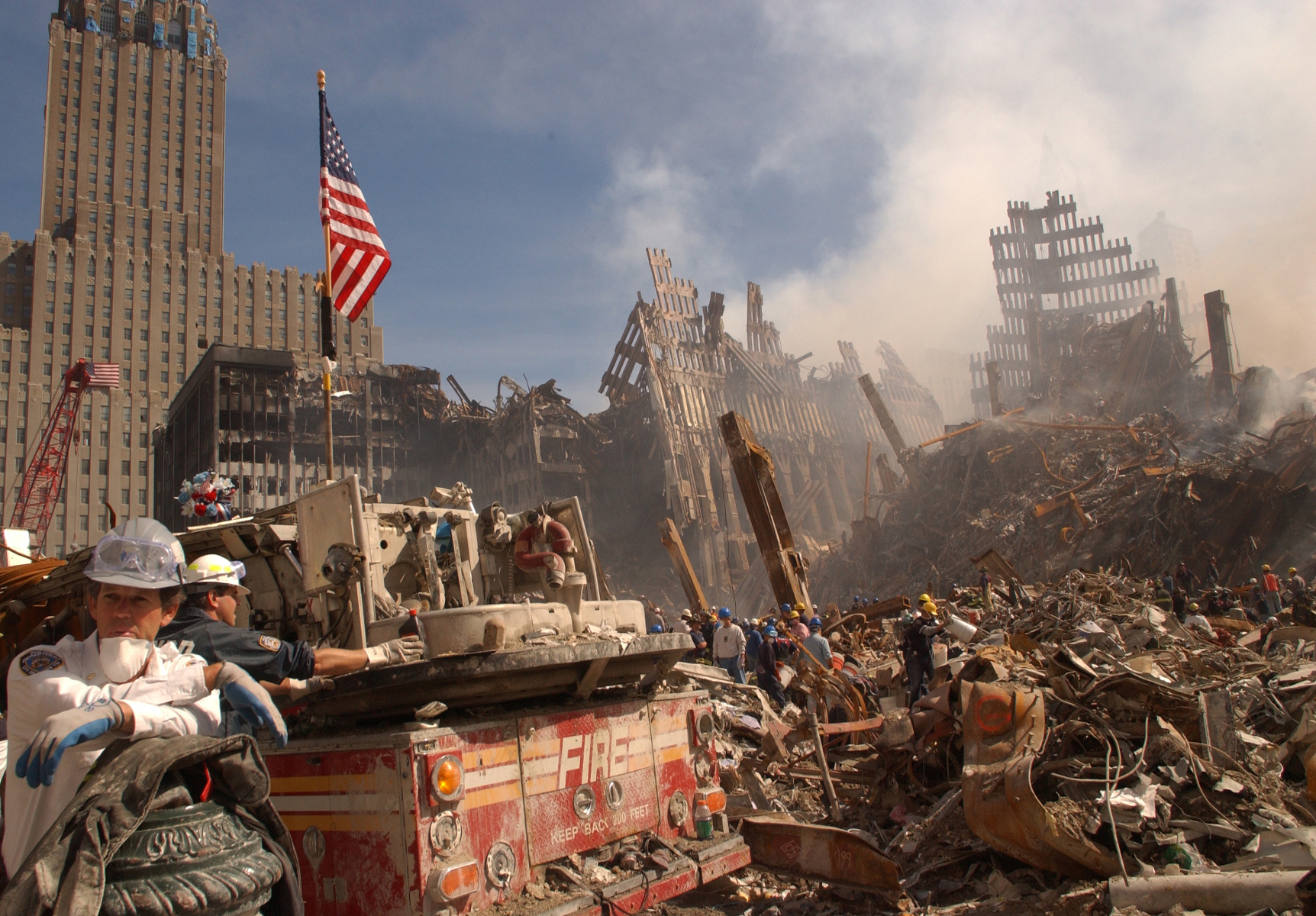
On this day, and up to a year following the attacks, tens of thousands of responders – police, firefighters, emergency medical personnel, and civilian recovery and clean-up workers - were deployed to Ground Zero.
These people were repeatedly exposed to disturbing scenes of destruction and death, making them all more likely to develop post-traumatic stress disorder (PTSD), as well as depression, anxiety, and substance-use disorders. At the same time, their experience may also have exposed them to toxins that could cause physical health issues.
Researchers suspected that the resulting trauma would be more than capable of being transmitted across generations.
PTSD can influence parenting in many ways. It can make some people emotionally unavailable, make them inconsistent caregivers, prevent them from managing conflicts, or lead them to create environments that undermine child development. It is also common for trauma-exposed parents to be unable to communicate their own emotions or histories, which can also isolate children and impact their trust and security.
Beyond PTSD, trauma can also manifest in wider cognitive, emotional and psychosocial issues. These can lead children to develop emotional dysregulation, behavioral challenges, and an increased risk of developing anxiety, depression, PTSD and substance abuse disorder.
The child’s age at the time when their parent experience trauma can also be a factor. Previous research has shown that younger children are more likely to display external symptoms, such as aggression and impulsivity, while adolescents may internalize the distress, withdrawing and developing depression.
In this latest study, research at the New York State Psychiatric Institute and Columbia University examined a cohort of now-adult children of 9/11 responders. It compared the outcomes for two specific subgroups – the children of traditional responders and those of civilian responders.
The study recruited 327 parents and 270 now-adult descendants from 176 families. All participants completed the same standardized survey that assessed their demographic background, mental health – whether they had PTSD, depression, anxiety, panic attacks, or substance abuse – physical health, and family and social support. The researchers also obtained information about the parents' exposure to the 9/11 attacks and the roles they had during their aftermath. The now-adult children also completed a survey on their parents' 9/11 exposure, which was not included in their parents' analysis.
The majority of parent respondents were male and were roughly similar in terms of race and ethnicity. The most significant demographic difference related to the groups’ respective levels of education. Civilian responders were significantly less likely to have a college education. This same difference was evident in the respondents’ reported household incomes.
When it came to the now-adult children of the response workers, demographic differences showed a higher number of female participants, and no other significant differences.
The duration and type of exposure parent participants experienced, especially when it came to being exposed to the dust cloud, was comparable across both groups. But traditional emergency responders were more likely to be exposed to bodies and body parts. They were also more likely to remain in the area for longer periods of time.
As expected, traditional first responders reported a greater number of challenging life events compared with their children. This was anticipated given their line of work, which leads to significantly more traumatic exposures than civilian responders are likely to have experienced.
“Although all parents were selected based on a history of PTSD, the majority of the sample did not meet criteria for current PTSD. Instead, we observed a higher prevalence of depression, anxiety, and panic disorder, with no significant differences between responder groups”, the authors explain in their paper.
“Among adult children, over 20 percent had depression, and over one quarter had an anxiety disorder. Importantly, while PTSD was relatively low among the adult-children, they exhibited higher rates of alcohol use disorder (AUD) compared to their parents.”
The team found that parents who were exposed to human remains, as well as the number of hours they spent on site following the attacks, correlated with their children having a greater risk of PTSD. Similarly, the longer parents were on site the more likely their children were to have anxiety and panic.
“In terms of current parental mental health... parental PTSD was significantly associated with higher odds of PTSD, panic, and depression in their adult children. Parental depression was associated with a higher likelihood of depression in their children, whereas parental panic disorder was associated with a higher likelihood of PTSD in their children,” the team explained.
Additionally, a greater number of traumatic life events was also associated with an increased risk of depression in their children.
“More than two decades after 9/11, we found that both parental exposure history and recent parental mental health were significantly associated with their now-adult children’s current psychological outcomes,” the team concluded.
“Specifically, greater parental exposure, indexed by earlier arrival at the [World Trade Center] site, longer time spent at the debris pile, and contact with human remains, was associated with higher risk for PTSD, anxiety, and panic symptoms among adult offspring.”
Similarly, parents with PTSD, anxiety, or depression was also associated with their adult children having PTSD, depression and panic.
The results support the idea that the enduring psychological consequences of extremely traumatic events can extend well beyond direct experience and are consistent with what we know of ITT.
The study also demonstrates how family and social relationships can be significant influences on intergenerational effects.
“Social support and family cohesion are well-documented protective factors that can buffer the psychological effects of trauma,” the researchers explain. “The current study reinforces that relational dynamics within the family may either mitigate or amplify the impact of parental trauma exposure on offspring’s well-being.”
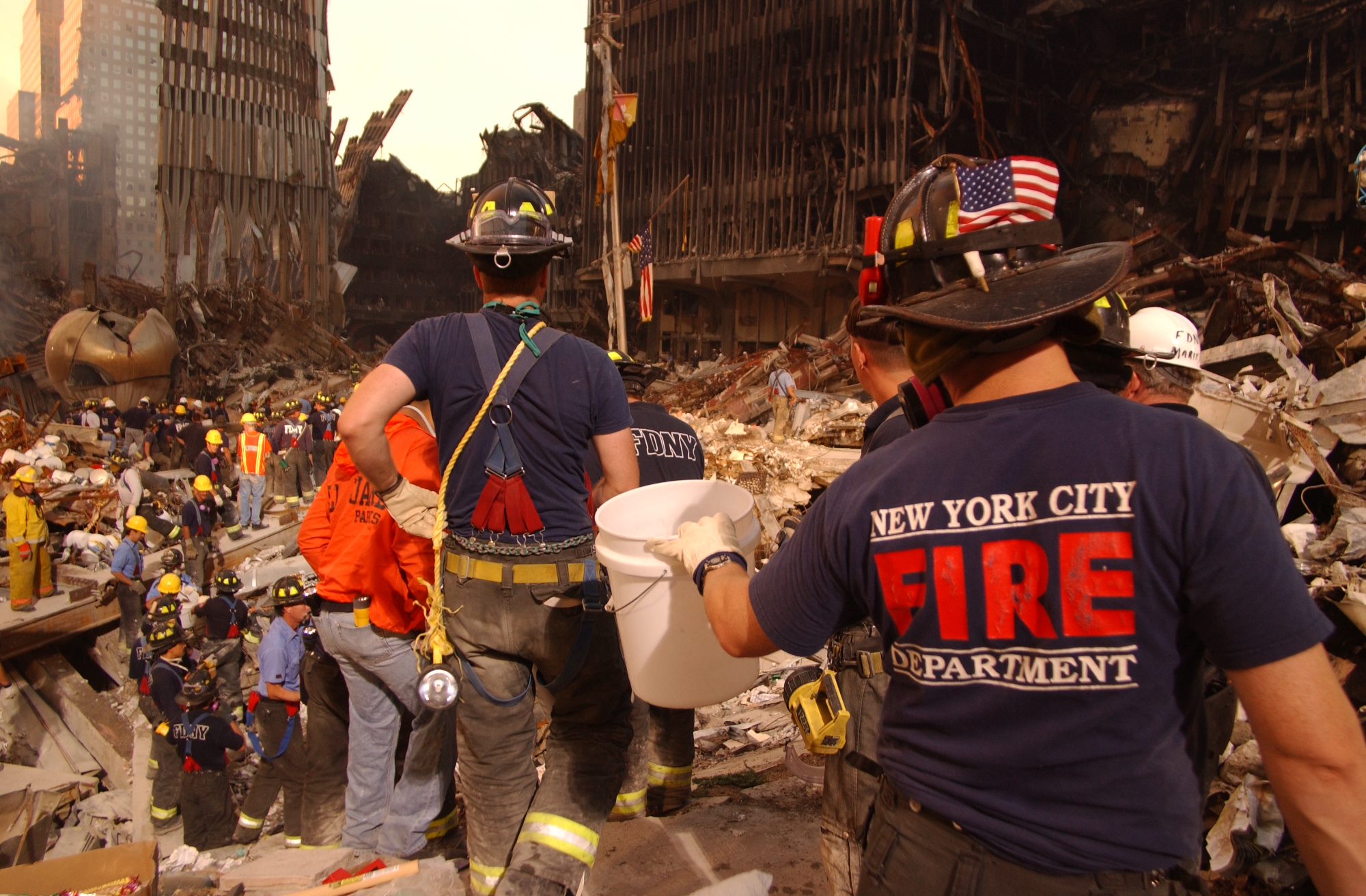
Interestingly, the team found that occupational role actually moderated several factors associated with parental trauma and their offspring’s mental health. In particular, civilian responder parents who had a greater exposure to stressors were more likely to have children who developed anxiety and PTSD symptoms. This was in contrast to traditional responders where “negative parent-child relationships” were more likely to produce alcohol use disorder in their children.
“These occupational differences likely reflect distinct professional cultures, stress exposures, and coping mechanisms between police and non–law enforcement responders,” the study reports.
First responder occupations, such as police officers, are often characterized by cultural norms around emotional control, stoicism, and self-reliance. It is possible these values buffer them against the overexpression of distress and maybe even protect against PTSD and depression. However, these same coping methods may be linked to a higher propensity for behaviors like alcohol misuse and interpersonal difficulties.
These coping mechanisms may in turn influence their parenting style and emotional communication with family members. Children raised in these environments may internalize similar methods, increasingly their vulnerability to certain negative psychological outcomes.
“Taken together, these findings contribute to a growing body of literature supporting multi-level models of ITT. Such models emphasize that biological, psychological, and social mechanisms interact to shape vulnerability and resilience across generations”, the team say.
“The associations between parental trauma exposure, psychopathology, and offspring outcomes observed here may reflect shared environmental stressors, learned emotional regulation patterns, or epigenetic modifications. Our data suggest that interventions targeting parental well-being and family relationships could reduce the propagation of trauma-related distress to subsequent generations.”
The paper is published in PLOS Mental Health.


 1
1